.png)

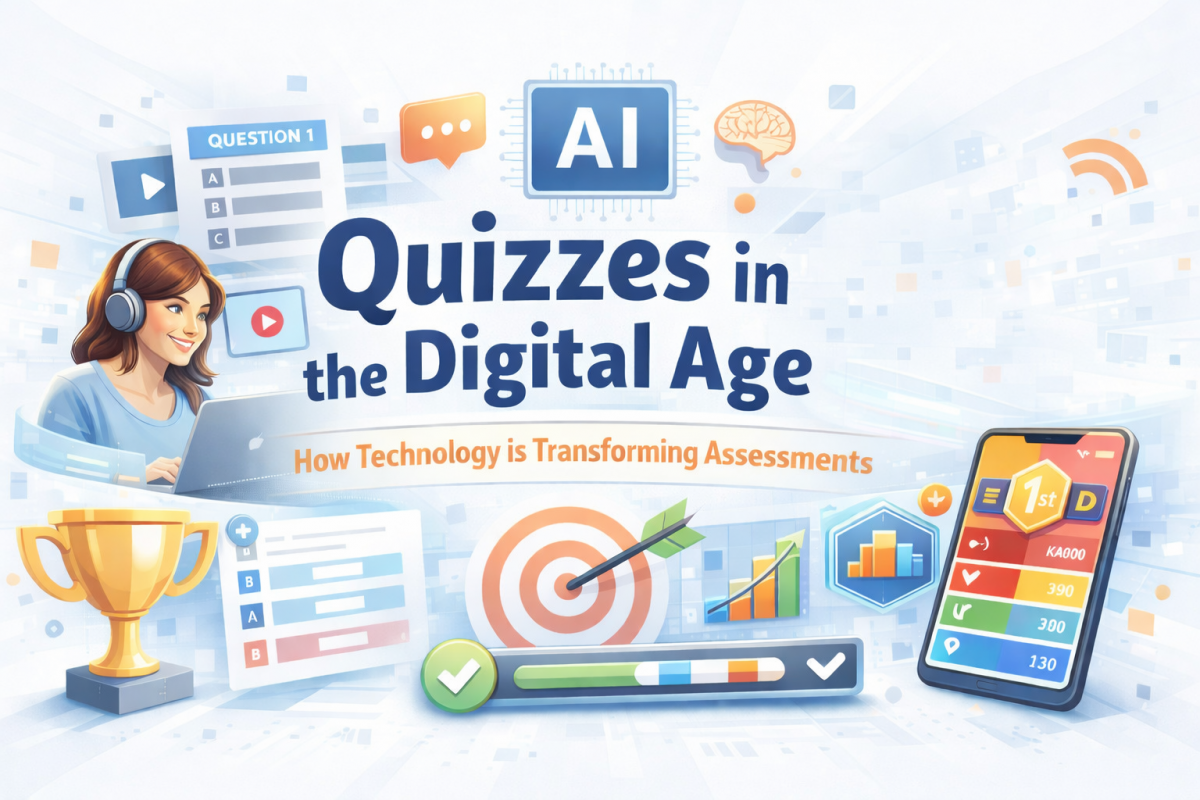
In today’s fast-paced digital world, technology has transformed nearly every aspect of our lives—including how we learn and evaluate knowledge. Traditional paper-and-pencil quizzes are quickly becoming a thing of the past. In their place, dynamic, interactive, and data-driven digital assessments are reshaping education for the better.
Let’s explore how technology is revolutionizing quizzes and assessments in the modern era.
The Rise of Online Quizzes
With the growth of e-learning platforms, online quizzes have become a fundamental part of education. Educators can now create, distribute, and evaluate quizzes instantly, saving time and effort.
Digital tools allow:
- Instant grading and feedback
- Easy customization of questions
- Remote accessibility for students
This immediacy helps students quickly understand their strengths and areas for improvement, making learning more effective and engaging.
Interactive and Multimedia-Based Learning
Modern quizzes are no longer limited to plain text questions. Today, educators can incorporate:
- Videos
- Images
- Audio clips
For example, a science quiz might include an experiment video, followed by analytical questions. This multimedia approach enhances understanding and caters to different learning styles visual, auditory, and kinesthetic.
Personalized Assessments with Adaptive Learning
One of the biggest advantages of digital quizzes is personalization. Adaptive learning systems can:
- Analyze student performance in real-time
- Adjust question difficulty automatically
- Focus on weak areas for improvement
This ensures that each learner gets a customized experience, improving retention and boosting confidence.
Data-Driven Insights for Better Teaching
Digital assessments generate valuable data that educators can use to improve teaching strategies.
With analytics, teachers can:
- Identify common mistakes
- Track student progress
- Adjust lesson plans accordingly
This shifts quizzes from simple evaluation tools to powerful instruments for continuous learning improvement.
Gamification: Making Learning Fun
Gamification has added a new dimension to quizzes by making them more engaging and enjoyable.
Features like:
- Leaderboards
- Badges and rewards
- Timed challenges
create a sense of competition and motivation. Students are more likely to participate actively when learning feels like a game rather than a task.
Accessibility and Inclusivity
Technology has made quizzes more inclusive and accessible for all learners.
Modern platforms support:
- Screen readers
- Text-to-speech features
- Multiple languages
This ensures that students with disabilities and diverse backgrounds can participate equally, promoting a fair learning environment.
The Future of Digital Assessments
The future of quizzes is even more exciting with advancements in:
- Artificial Intelligence (AI)
- Machine Learning (ML)
- Virtual Reality (VR) and Augmented Reality (AR)
Soon, quizzes could become immersive experiences where learners solve real-world problems in virtual environments, making assessments more practical and engaging.
Conclusion
The digital transformation of quizzes has redefined how we assess learning. From interactive content to personalized experiences and data-driven insights, technology has turned quizzes into powerful learning tools.
As we continue to innovate, the focus must remain on creating assessments that are fair, inclusive, and meaningful ensuring that both educators and learners benefit from this evolution.




Comments
Loading comments...